
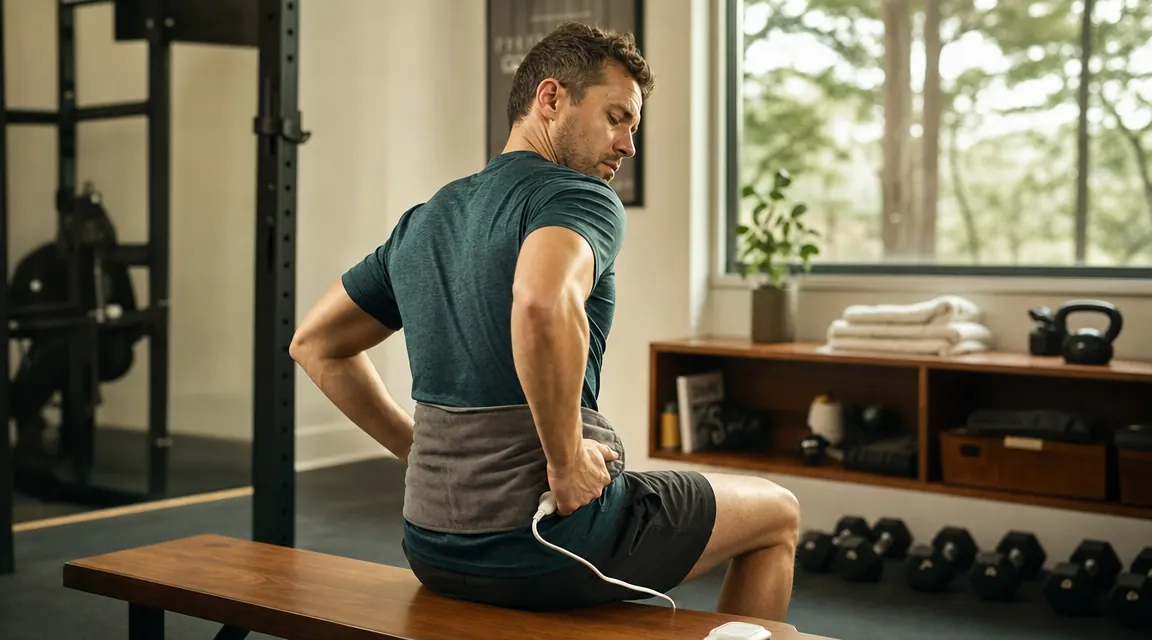
You have probably used a standard electric heating pad after a hard session. It gets warm, it feels okay, and it does something. But if you have ever had a physical therapist apply a hydrocollator pack , the kind soaked in 160-degree water and wrapped in a thick cotton cover , you already know that the two experiences are not even close. One feels like sitting near a lamp. The other feels like the heat is actually working on the tissue. That difference is not perception. It is physics, and there is a growing body of clinical literature backing it up.
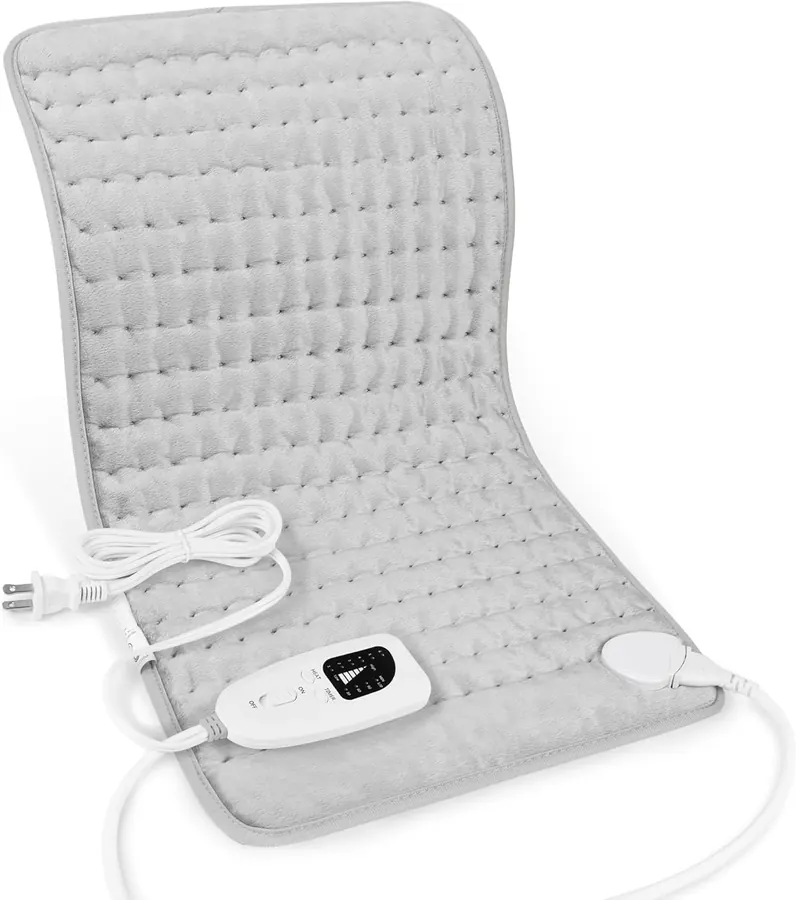
The Deepsoon Electric Heating Pad (ASIN B0D1QFZB5Q, rated 4.4 stars across 23,735 reviews) is one of the few consumer-grade pads that adds a moist-heat function. Wet a included cloth cover, snap it over the pad, and you convert a standard radiant heater into a surface that conducts heat through water molecules rather than air. Below are 10 reasons that distinction matters for post-workout muscle recovery.
Your muscles need more than warmth , they need heat that actually reaches them.
The Deepsoon pad's moist-heat cover is already included. Check the current price on Amazon to see if it's a same-day add to your recovery kit.
Amazon Check Today's Price on Amazon →Moist Heat Penetrates Deeper Into Muscle Tissue
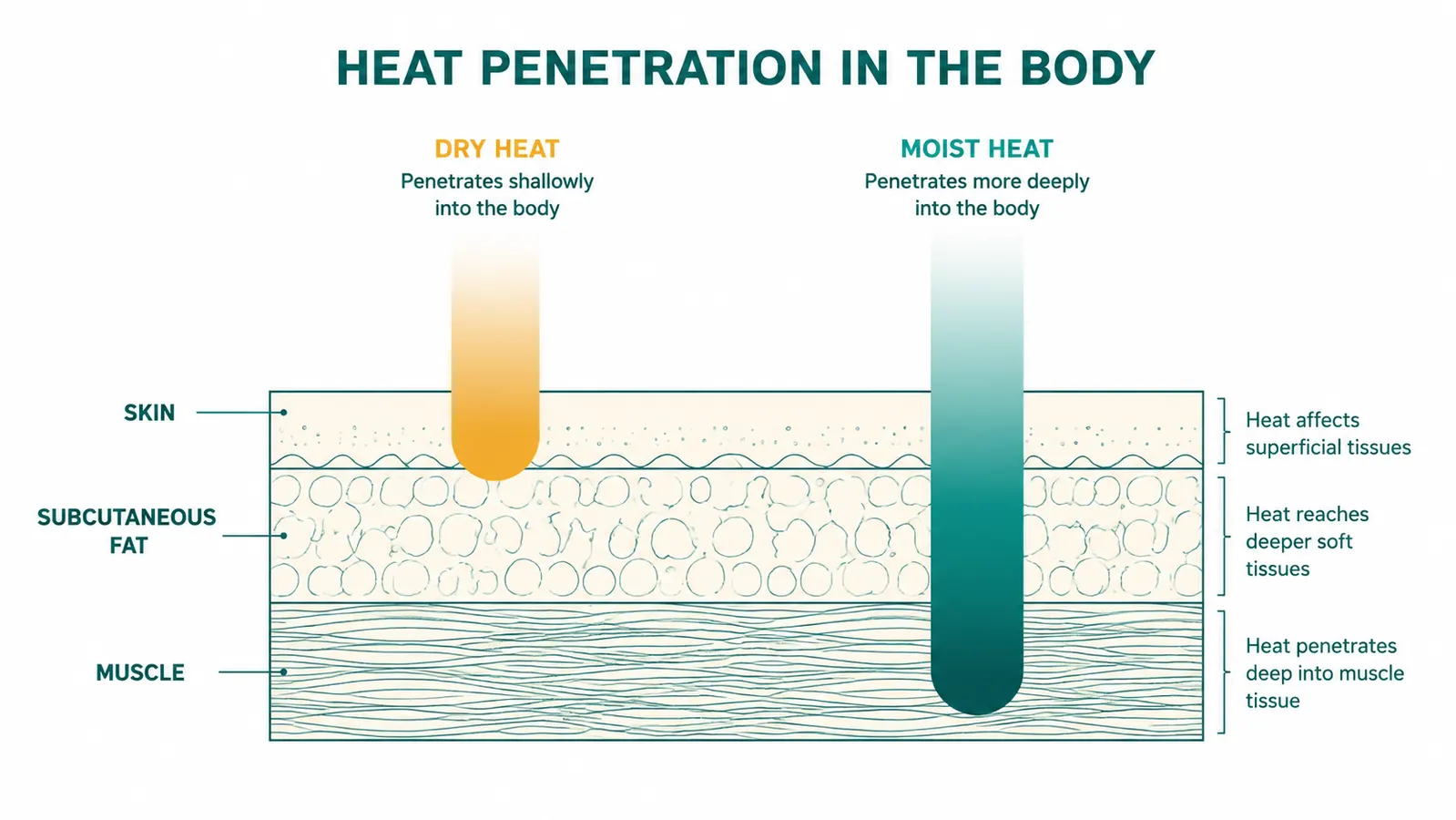
Water is a far better conductor of thermal energy than air. Dry heat warms the skin and the superficial tissue just beneath it; the temperature gradient drops sharply before reaching deeper muscle. Moist heat maintains a higher thermal gradient through those layers, meaning the heat your skin registers is also reaching the belly of the muscle , which is where post-workout stiffness lives. For large muscle groups like the lumbar erectors or the glutes, this depth difference is the whole game.
It Hydrates Fascia While It Heats It
Fascia is collagen-dense connective tissue that wraps every muscle. When it is dehydrated or restricted, range of motion narrows and soreness lingers longer. Moist heat increases the water content of fascia directly while simultaneously raising its temperature , a two-pronged release that dry heat cannot replicate. If your stiffness reads more as a 'tight wrap' feeling than a burning soreness, fascial dehydration is likely a contributing factor, and moist heat addresses it more completely.
It Increases Collagen Extensibility More Effectively
Collagen fibers , the structural component of tendons, ligaments, and muscle sheaths , become more pliable when both heated and hydrated. Research in physical therapy journals consistently shows that tissues stretched under moist heat retain their lengthened state better than tissues stretched under dry heat alone. If you are doing any post-session stretching or mobility work after your heat session, you are getting more out of the same effort when the preceding heat was moist.
Faster Perceived Onset of Relief
A dry heating pad takes 10 to 15 minutes for meaningful subjective relief to set in. Moist heat typically produces that same perception of loosening and relief in 5 to 8 minutes. The mechanism is simple: water transfers heat to the skin faster than air, so the thermoreceptors that trigger relaxation signals to the brain activate sooner. For busy athletes who are squeezing in a 20-minute recovery window, cutting 5 to 7 minutes off the onset time is genuinely useful.
It Activates the Parasympathetic Nervous System More Reliably
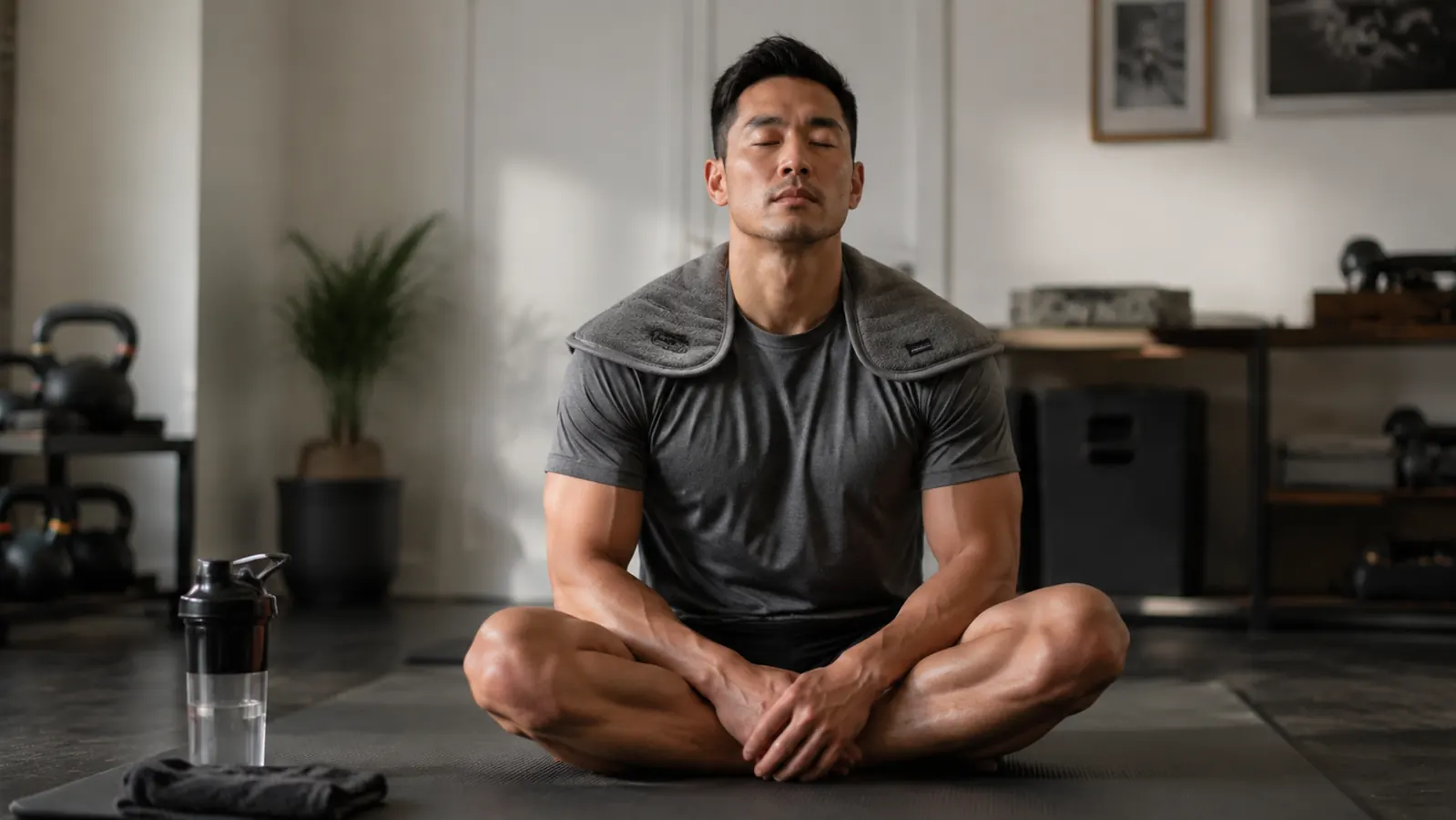
Recovery is not just muscular , it is systemic. The parasympathetic nervous system (rest-and-digest mode) drives the hormonal environment that rebuilds tissue and restores glycogen. Moist heat's deeper warmth signals safety to the autonomic nervous system more strongly than surface-level dry heat. Clinicians who use hydrocollator packs frequently note that patients shift into visible relaxation faster and more completely. For athletes who are chronically sympathetically dominant (which describes most people training hard), this is worth taking seriously.
Lower Required Temperature for the Same Therapeutic Effect
Because water conducts heat more efficiently, moist heat achieves the same tissue temperature as dry heat at a lower surface temperature. This means less risk of skin irritation or surface burns, and more comfort for extended sessions. The Deepsoon runs six temperature settings; on moist mode, most users find the middle two settings more than sufficient, where dry mode typically pushes people toward higher settings to feel anything meaningful. Lower surface temperature, same depth of penetration, less red skin afterward.
Improved Local Circulation Without Overloading Capillaries
Heat-driven vasodilation increases blood flow to the target area, which is the primary mechanism for clearing metabolic waste from muscle tissue after training. Moist heat produces a more even, graduated vasodilation compared to dry heat's more superficial response. The result is better nutrient delivery and waste clearance in the deeper tissue where it matters, without the capillary overload that can cause that blotchy, irritated skin pattern some people get from prolonged dry heat.
Moist heat produces the same therapeutic tissue temperature as dry heat at a lower surface temperature. That means more penetration, less irritation, and a more complete relaxation response , for the same 20-minute investment.
Clinically Preferred for Spasm-Driven Pain
Muscle spasm, whether from an acute strain or the chronic tightness that accumulates in lumbar paraspinals during heavy pulling cycles, responds better to moist heat than dry in the clinical setting. Physical therapists consistently reach for the hydrocollator pack when spasm is the primary complaint. The combination of depth and hydration interrupts the pain-spasm-pain cycle more thoroughly. For lifters with chronic back tightness or athletes prone to post-run calf cramps, this distinction is the difference between a tool that works and one that just feels warm.
It Suits a Wider Range of Muscle Groups
Dry pads are easiest to use on flat, accessible areas , middle back, quads. Moist heat's deeper penetration makes it more effective on the anatomically awkward spots where athletes actually need it: hip flexors buried under the inguinal fold, thoracic paraspinals, the posterior shoulder capsule. The Deepsoon's flexible 12-by-24-inch pad wraps around these contours reasonably well with the moist cover in place. You are not limited to a single application site.
Long-Term Consistency Is Easier to Maintain
Recovery habits fail when they are uncomfortable, inconvenient, or underwhelming. Dry heat at high settings can cause skin discomfort that makes people cut sessions short. Moist heat at moderate settings is more comfortable for the full recommended 15 to 20 minutes, which means you actually complete the session. Consistent 20-minute moist-heat applications three to four times per week will outperform intermittent, cut-short dry-heat sessions every time. The Deepsoon's auto-shutoff at 2 hours covers the safety side, and the moist cover takes about 10 seconds to attach.
What I'd Skip
Moist heat is not the right call in the first 24 to 72 hours after an acute injury when inflammation is still active. Applying heat to an inflamed area accelerates swelling and can extend healing time. If you pulled something during a session , not just normal DOMS but an actual sharp pain during movement , reach for ice first, not the heating pad. Save the moist heat for the chronic stiffness and tightness phase that follows initial healing, or for pre-training warm-up on problem areas. Also, if you have circulatory conditions or impaired skin sensation, talk to a clinician before adding heat therapy to your routine. The Deepsoon is a solid tool for the right application; it is not a substitute for an accurate injury diagnosis.
For a deeper look at timing, temperature settings, and which muscle groups respond best, see the full heating pad vs ice pack breakdown and the long-term Deepsoon review.
Skip moist heat in the first 48 to 72 hours after an acute injury. After that initial inflammation window closes, it is one of the highest-value recovery tools a consistent athlete can add to their routine.
If you are training hard and relying on a dry pad, you are leaving recovery on the table.
The Deepsoon moist-heat pad costs less than two sports massage appointments and works every session. The moisture cover is included. Check today's price on Amazon.
Amazon Check Today's Price on Amazon →