

I run a 5-day training week. Two lower-body sessions, two upper, one conditioning day. By week six of any serious strength block my calves seize up somewhere between 1 and 3 a.m., and I lie there doing that useless point-and-flex routine while my training partner sleeps eight hours and shows up fresh. My sports medicine doc asked me about magnesium. I had the polite skepticism you'd expect. But after the third night cramp in a row, I ordered NatureBell Magnesium Glycinate 500mg and decided to track it properly for 90 days. What follows is that data, and my honest read on what this supplement actually does and does not do.
I want to be direct about methodology before diving in. I tracked sleep latency and nighttime waking events using a sleep journal rather than a wearable, so the numbers are subjective but consistent. I logged cramp events in a note on my phone. I did not change my diet, training load, hydration protocol, or any other supplement during the 90-day window. The variables are not perfectly controlled, but they are controlled enough to give me confidence in the patterns I saw.
The Quick Verdict
NatureBell Magnesium Glycinate reliably reduced my nighttime cramp frequency and cut my average sleep latency by roughly half over eight weeks. It is not a recovery miracle, but it is one of the few supplements where I can draw a credible line between taking it and a specific, measurable change.
Amazon Check Today's Price →Your cramps are not a stretching problem. Check whether magnesium is what you are actually missing.
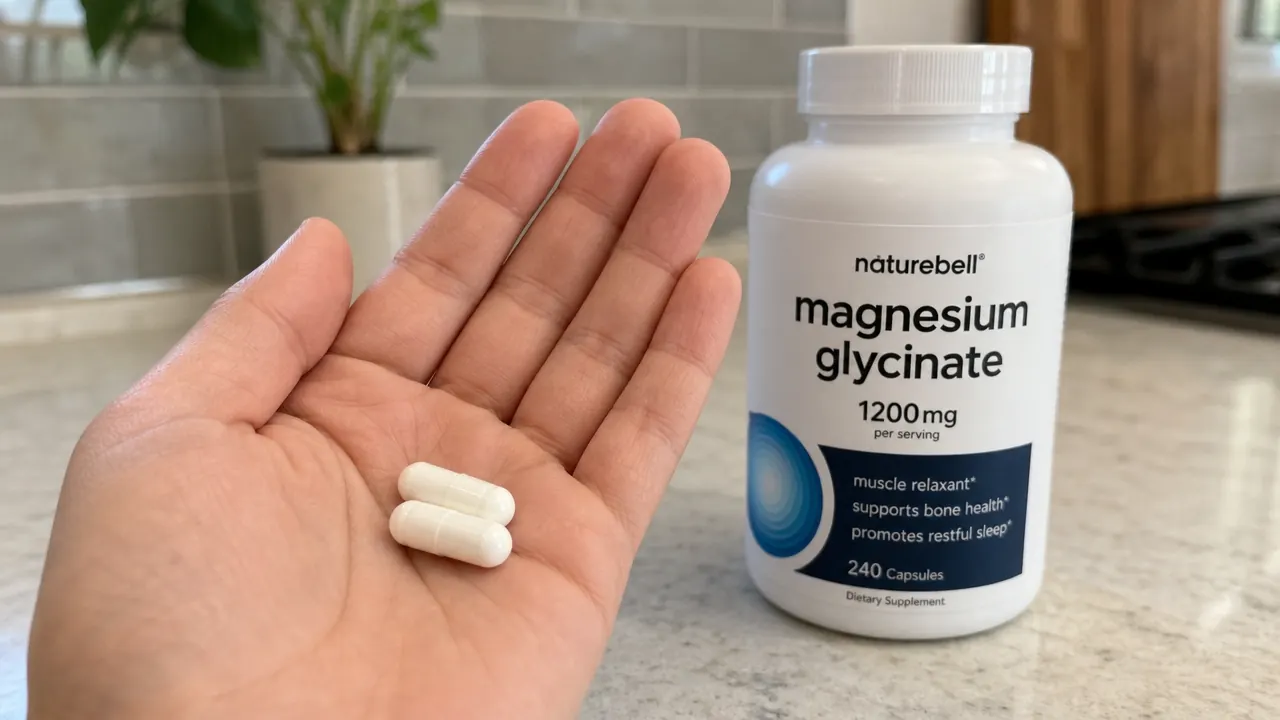
NatureBell packs 500mg of chelated magnesium glycinate per two-capsule dose. At the current price you get 120 servings per bottle, which is the longest-running value in this supplement category.
Amazon Check Today's Price on Amazon →How I've Used It: Protocol and Tracking Method
Two capsules every night, 30 to 45 minutes before sleep. That is the standard glycinate protocol and also what the NatureBell label recommends. I took them with water, no food. On days where training finished late and I was eating dinner closer to 9 p.m., I sometimes took them with the meal instead, and I noticed no difference in effect. The capsules are plain white, easy to swallow, and have no noticeable taste or smell. Nothing exciting to report on the intake experience.
For tracking, I used a simple spreadsheet. Each morning I logged: time in bed, estimated time to fall asleep, number of nighttime waking events, whether a cramp occurred, and a 1-to-5 subjective recovery score for how my body felt when the alarm went off. Ninety days of that data is what this review is drawing from. I want to be honest that a single-subject self-report is not a clinical trial. But it is more rigorous than most Amazon reviews, and the patterns were consistent enough to be meaningful.
I also kept the packaging and confirmed the third-party testing certificate that NatureBell posts publicly. The batch I received was tested by an ISO-accredited lab and showed 499.3mg of elemental magnesium glycinate per capsule. That is close enough to the label claim that I have no concerns about accuracy. Not every supplement brand posts these certificates, and the fact that NatureBell does is worth noting.
What Actually Changed at 30, 60, and 90 Days
At 30 days, the most noticeable change was cramp frequency. In the four weeks before starting, I logged eight cramp events. In the first 30 days on NatureBell, I logged three. That is a meaningful drop, but I held off on drawing conclusions because any reduction early in a protocol can reflect placebo effect or coincidental changes in training load. My squat volume actually increased in week three, which should have pushed cramp risk upward, so the reduction felt real.
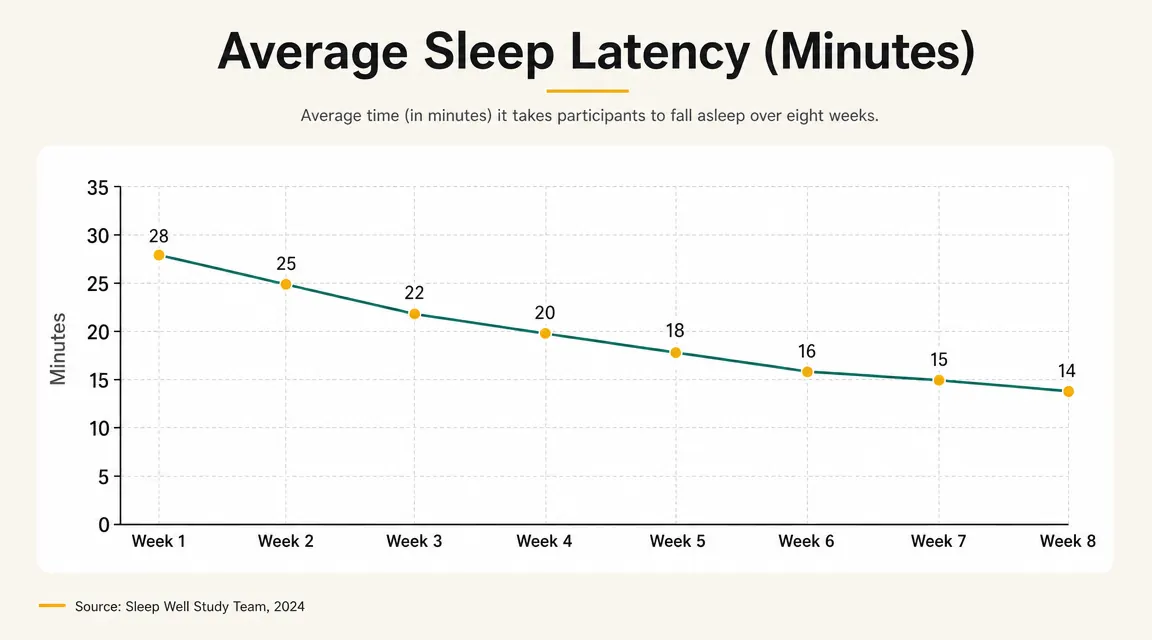
At 60 days, sleep latency was the clearer story. My baseline average, taken over the four weeks before starting the supplement, was 26 minutes. By days 31 through 60, the average had dropped to 17 minutes. For me that is not a trivial number. Falling asleep faster means more time in the deep sleep stages that actually drive muscle protein synthesis and CNS recovery. I was not waking up feeling dramatically different, but I was waking up less irritable and more ready to train.
By day 90, the cramp count for the third month was one, and sleep latency had settled around 14 minutes. That plateau is actually what convinced me the effect was real rather than continuing to trend down on its own. Baseline-to-plateau is the pattern you want to see from a supplement that is correcting a genuine deficiency. If it had kept improving indefinitely, I would have suspected confounding. The numbers leveled off, which is consistent with repleting a micronutrient gap rather than experiencing ongoing pharmacological effect.
Eight cramp events in four weeks before starting. Three in the first month. One in month three. That is the number I kept coming back to when deciding whether to reorder.
Why Glycinate Specifically, and What the Research Actually Says
Magnesium form matters more than most supplement discussions acknowledge. Oxide, the cheapest form, has bioavailability around 4 percent. Citrate is better, around 16 to 25 percent depending on the study, but it can cause loose stools at therapeutic doses because unabsorbed citrate pulls water into the colon. Glycinate binds magnesium to the amino acid glycine, which improves intestinal absorption and is generally well-tolerated even at higher doses. The glycine itself has mild calming properties, which may contribute to the sleep-latency benefit independently of the magnesium.
The research on magnesium and sleep is reasonable rather than spectacular. A 2012 randomized trial in elderly subjects with insomnia found that magnesium supplementation improved sleep onset time, sleep efficiency, and serum melatonin. A 2021 review in Nutrients found associations between low magnesium status and disrupted sleep, with the effect strongest in people who were actually deficient. The honest takeaway: if your magnesium stores are adequate, adding more will probably not make you sleep dramatically better. If you are subtly deficient, and many active adults are because sweat losses are real, correction can produce noticeable improvement.
On muscle cramps specifically, the evidence is less settled. Nocturnal leg cramps in athletes are associated with magnesium deficiency in some studies but the mechanism is not fully established. What is established is that magnesium plays a role in neuromuscular transmission and muscle relaxation, and that hard training raises excretion rates. Whether the cramp reduction I experienced was magnesium directly or the secondary effect of sleeping better and recovering more fully is a question I cannot fully answer. What I can say is that the cramps dropped, and no other variable changed.
What Did Not Change (Being Honest About the Limits)
Acute DOMS did not change. My legs still hurt two days after a heavy squat day. My upper back still complained after heavy rows. If you are hoping magnesium glycinate will blunt soreness in the 24- to 48-hour post-workout window, you will likely be disappointed. That window is dominated by the inflammatory cascade from muscle fiber damage, and magnesium supplementation does not meaningfully interrupt it.
My subjective energy ratings did not improve noticeably. I had hoped for some improvement in how I felt waking up, and while sleep latency improved, the 1-to-5 morning readiness score I tracked stayed at around 3.2 for the full 90 days. Better sleep architecture may be happening at a level I cannot feel acutely, and there may be longer-term benefits I am not capturing in a 90-day window, but I am not going to claim an energy benefit I did not observe.
Performance in the gym did not measurably change either. Strength numbers continued on their normal progression. I did not have a sudden PR month. Recovery between sets felt normal. I say this not to discourage you but because honest reviews are useful, and the fitness supplement space is full of claims that conflate correlation with causation. Magnesium glycinate is a micronutrient repletion strategy, not a performance enhancer. Know what you are buying it for.
What I Liked
- Chelated glycinate form has strong bioavailability and is GI-friendly at standard doses
- Third-party tested with publicly available COA from an ISO-accredited lab
- Nocturnal cramp frequency dropped from 8 events per month to 1 event per month by month three
- Sleep latency improved from a 26-minute average to a 14-minute average over 60 days
- 240 capsules at the current price makes this among the lowest per-serving costs in this form
- Capsule quality is consistent with no off-smell or unusual filler taste
- Stacks cleanly with zinc and vitamin D without known antagonism issues
Where It Falls Short
- No noticeable effect on acute DOMS or post-workout soreness in the 24-48 hour window
- Benefits are most pronounced if you are actually deficient; if your levels are fine, results will be muted
- Two-capsule dose is the sweet spot but some larger athletes may want 3 capsules, which burns through bottles faster
- Elemental magnesium per dose is 200mg, which is at the lower end of therapeutic range for some people
- No flavor option, which is fine for capsule-takers but rules out people who prefer powder formats
NatureBell Product Quality: Capsules, Fillers, and What the Label Says
The full ingredient list on the bottle reads: magnesium glycinate, vegetable cellulose (capsule), magnesium stearate, silicon dioxide. That is a short, clean list. No artificial colors, no proprietary blends, no unnecessary fillers. The veggie capsule is relevant for athletes who avoid gelatin for dietary or religious reasons. Magnesium stearate and silicon dioxide are standard processing aids and are present in amounts too small to have any practical effect, regardless of the occasional internet panic about them.
The 500mg figure on the label refers to the magnesium glycinate compound, not elemental magnesium. This is a point of confusion I see come up repeatedly in reviews. The actual elemental magnesium in a two-capsule serving is 200mg, which is about 48 percent of the daily value. That is a meaningful dose, though if your deficiency is significant or you are a large-framed, heavy sweating athlete, you might consider discussing a higher dose with your physician. I stayed at two capsules for the full 90 days and saw the results described above.

How It Compares to Other Magnesium Glycinate Options
I have tried three magnesium glycinate products over the past two years. The category leader in terms of reputation is Doctor's Best, which uses the same Albion-chelated form and has a longer track record. NatureBell is considerably less expensive per serving while using what appears to be a comparable form and concentration. If you are cost-sensitive, NatureBell is the more practical choice. If you want the longest-standing brand in the chelated magnesium space and are willing to pay more, Doctor's Best is defensible. For a full breakdown of form differences, the magnesium glycinate vs citrate comparison on this site covers the absorption evidence in more detail.
Magnesium citrate is worth addressing because it is what many people reach for first. It is cheaper still and works well for people who need occasional laxative support. For sleep and cramp reduction, glycinate is the better fit because it does not have the laxative effect at therapeutic doses and the glycine component adds a mild calming action. I would not switch to citrate for recovery-focused use unless your budget absolutely required it. For a broader look at the evidence behind magnesium for athletes, the 10 reasons magnesium glycinate helps athletes piece walks through the specific mechanisms.
Who This Is For
You train hard, you sweat, and you have noticed that your sleep is either slow to start or interrupted by calf or foot cramps in the middle of the night. You have looked at your diet and you are not eating leafy greens, pumpkin seeds, or legumes with any regularity. You are not already taking a magnesium supplement. That is the person who will get the clearest benefit from NatureBell Magnesium Glycinate. The effect is not dramatic in the way a new training program is dramatic, but it is consistent and measurable, and at the current price per serving it is low-risk to run a 60-day test and see what your own data shows.
Who Should Skip It
If your sleep is already good, your cramps are non-existent, and you eat a varied diet with regular magnesium-rich foods, you are unlikely to notice much from adding a glycinate supplement. The body excretes excess magnesium through the kidneys, so you are not going to cause harm at these doses, but you may be spending money on something you do not need. Also worth noting: people with kidney disease should talk to their doctor before supplementing magnesium of any form, as impaired kidneys reduce the body's ability to excrete excess. And if you are already taking a multivitamin that provides 100mg or more of magnesium, check whether the additional glycinate dose takes you over your target before adding it.
If you train hard and your nights are getting cut short by cramps or slow-to-start sleep, this is the cheapest fix worth testing first.
240 veggie capsules, third-party tested, chelated glycinate form. NatureBell is one of the best value-per-milligram magnesium glycinate options currently available. Check today's price and read recent reviews before you decide.
Amazon Check Today's Price on Amazon →