
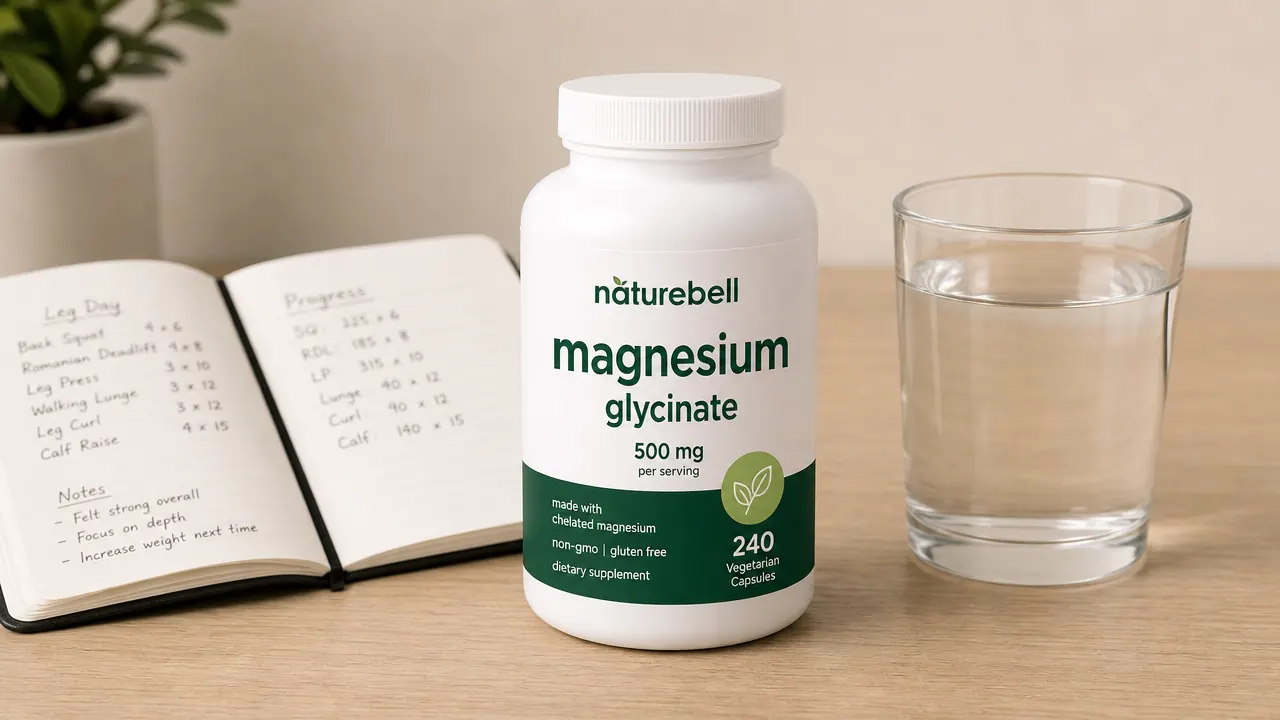
My athlete, Marcus, a 34-year-old competitive CrossFitter with 11% body fat and a diet I'd describe as aggressively clean, brought me a bottle of NatureBell Magnesium Glycinate and asked me to look it over. He'd been reading that magnesium helps with sleep and muscle cramps, his training partner swore by it, and the price was low enough that he figured the downside risk was minimal. He wasn't wrong about the price. But before I could give him a straight answer, I had to explain something that almost nobody in those 18,000+ Amazon reviews mentions: 500mg on the label is not 500mg of magnesium.
That single clarification changes how you evaluate this supplement, how you dose it, and whether you actually need it at all given what you already eat. This review is about that reality, not the marketing copy. I'll also walk through the other ingredients, the capsule quality, and the specific athlete profiles where this supplement earns its place versus where it's a waste of money.
The Quick Verdict
A legitimately chelated, well-tolerated form of magnesium at a fair price, but the label math requires decoding and the people who benefit most are probably not the people buying it most.
Amazon Check Today's Price →Training hard and sleeping badly? Check whether this fills the gap before you write it off.
NatureBell Magnesium Glycinate 500mg, 240 veggie capsules. One of the most bioavailable forms of magnesium at a price that's hard to argue with if you actually need it.
Amazon Check Today's Price on Amazon →The Label Math Nobody Explains
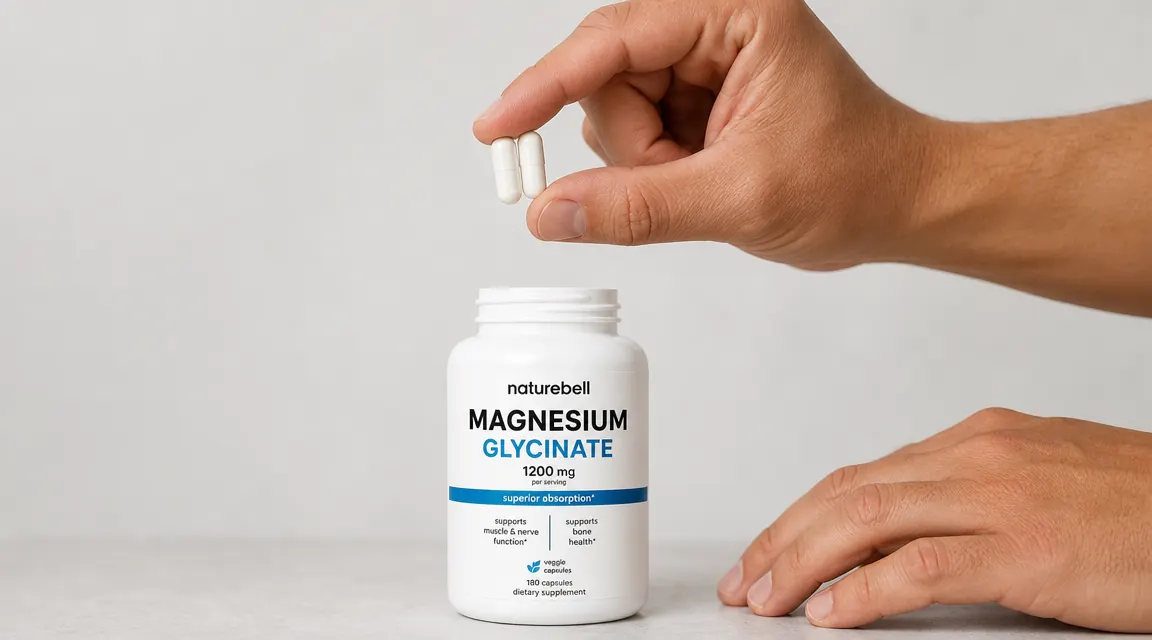
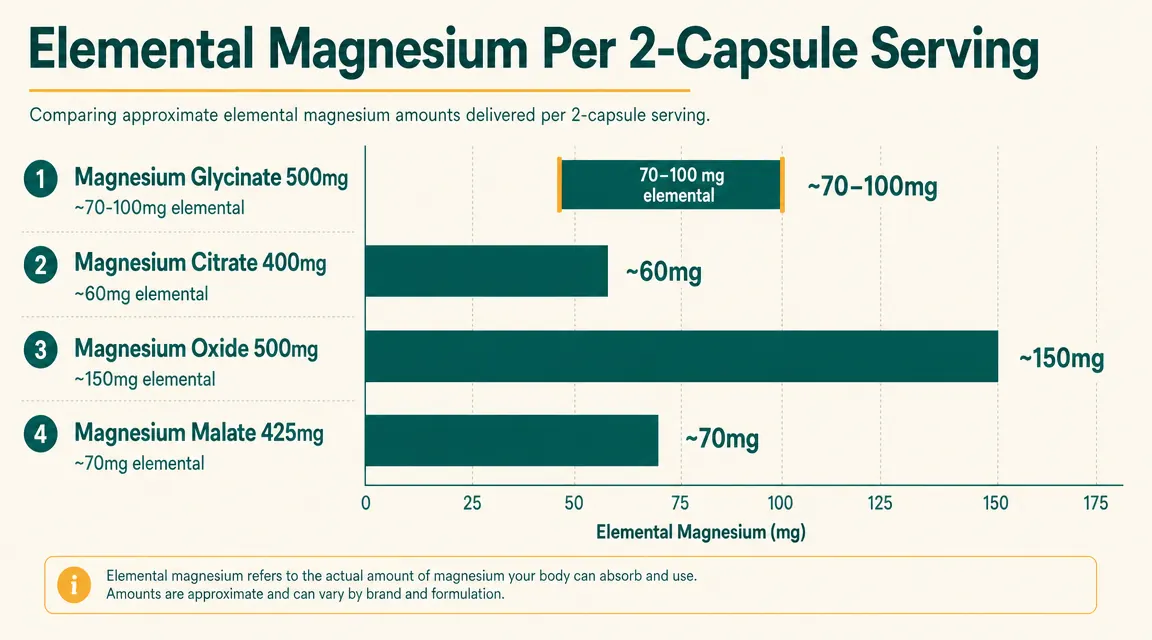
Magnesium glycinate is a chelated compound: one magnesium ion bound to two glycine molecules. The molecular weight of the whole compound is higher than magnesium alone, which means a 500mg dose of magnesium glycinate delivers nowhere near 500mg of elemental magnesium. The actual elemental magnesium yield from magnesium glycinate is roughly 14-18% of the compound weight by mass, depending on the chelation ratio and manufacturing method. Two capsules of NatureBell's product at 500mg per serving gets you somewhere in the range of 70-100mg of elemental magnesium.
The recommended dietary allowance for adult men is 400-420mg of elemental magnesium daily. For adult women it's 310-320mg. A full day of eating green vegetables, nuts, whole grains, and legumes can provide 300-400mg of elemental magnesium from food alone. So if you're eating a reasonably balanced diet, two capsules of this supplement adds a modest top-off, not a major correction. That's not a criticism of NatureBell specifically. Every magnesium glycinate product on Amazon works the same way. But understanding this changes how you decide whether you need it, and how many capsules you should actually take.
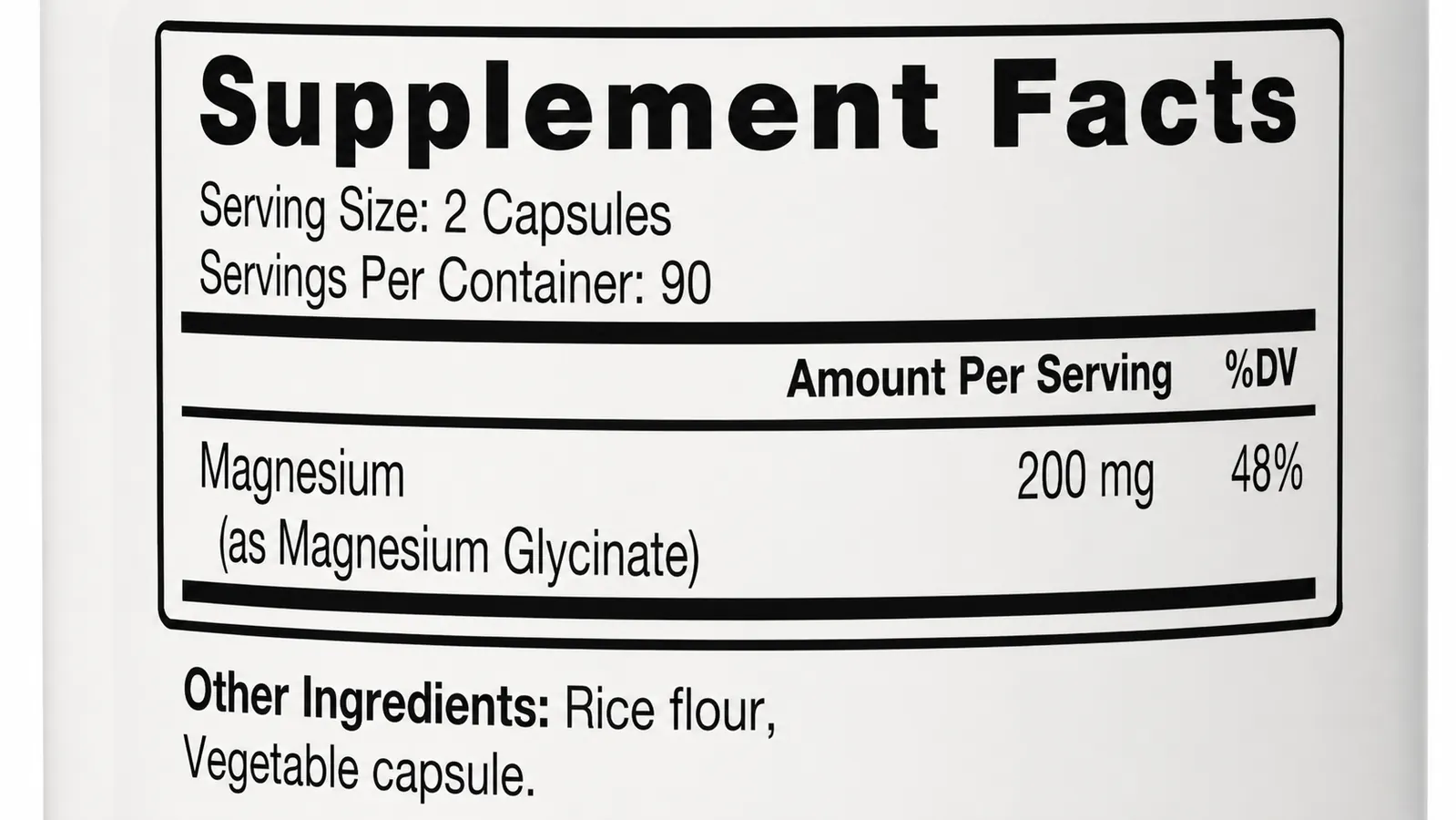
NatureBell's label does say '500mg' in large text and lists 'Magnesium (as Magnesium Glycinate)' with a yield figure, but you have to read the fine print to catch it. The supplement facts panel on the current listing shows roughly 100mg of elemental magnesium per two-capsule serving. That's a legitimate, evidence-backed dose for someone who eats well and wants a modest nightly top-up. It's not the 500mg dose people often assume they're getting.
What's Actually in the Capsule: Ingredient Breakdown
The active ingredient is magnesium glycinate, which NatureBell correctly labels as '100% chelated.' Chelation matters. Non-chelated forms like magnesium oxide have higher elemental magnesium percentages but much lower absorption rates, and they're notorious for GI distress at meaningful doses. Magnesium glycinate's chelated structure makes it significantly easier on the gut, and the glycine component has its own calming, sleep-supportive properties at higher doses. For a nightly supplement, this is the right form.
The other ingredients are rice flour and a vegetable capsule (hydroxypropyl methylcellulose). That's it. No magnesium stearate, no silicon dioxide, no artificial colorants. The filler list is genuinely short for a mass-market supplement. Rice flour is an inert, food-grade filler used to standardize capsule fill weight. It has no functional role in absorption or efficacy. Some athletes with celiac disease or non-celiac gluten sensitivity reflexively worry about rice flour, but rice is inherently gluten-free. Unless you have a rare rice allergy, the filler list here is clean.
The veggie capsule is HPMC-based, which means it's appropriate for vegetarians and vegans. The capsule shell itself dissolves at a predictable rate in stomach acid, which is relevant because some discount supplement brands use low-grade capsule materials that can affect disintegration timing. No issues there with NatureBell.
The glycinate form is legitimately superior for GI tolerance and sleep. But the actual elemental magnesium per capsule is modest. Understand that going in and you'll dose this correctly.
Who Gets the Most Out of This Supplement
Magnesium depletion is real among high-volume athletes. Sweating during intense training increases magnesium losses, and several studies have found that athletes, particularly those training more than 5 hours per week, have lower serum magnesium than sedentary controls. The research on magnesium supplementation for muscle cramp prevention is mixed, but the evidence for sleep quality improvement is more consistent, particularly in adults over 40 and in people with documented deficiency.
The athletes who see clear, noticeable changes from this supplement share a few characteristics. They train 5 or more times per week, they sweat heavily, and their diet tends to run lean on the best magnesium food sources. That means they're not regularly eating a cup of cooked spinach, a handful of almonds, a serving of black beans, and dark chocolate. If that profile sounds like you, a nightly 100-200mg elemental magnesium supplement fills a real gap. You'll typically notice it first in sleep depth, then in a reduction of those 3am calf cramps, over 2-4 weeks of consistent use.
Marcus fit this profile reasonably well. His diet was clean but not particularly varied in the magnesium-dense food sources. He did 6 training sessions per week, sweated heavily, and had been dealing with restless sleep and occasional night cramps. Four weeks in, he reported measurably better sleep quality by his Whoop data, and the cramps had dropped from 3-4 per week to near zero. That's a real result, and it came from a $20 bottle.
Who Should Probably Skip It or Try a Different Form
If you eat a lot of leafy greens, nuts, seeds, and legumes consistently, your dietary magnesium intake may already be in the 350-450mg elemental range. Adding 100mg of supplemental magnesium on top of that is unlikely to produce any noticeable change. You're not deficient. You're just adding a slightly excessive amount of a mineral your kidneys will excrete. It's harmless at this dose, but it's also money you don't need to spend.
If your primary goal is hitting the highest possible elemental magnesium dose per capsule, glycinate is not the most efficient form. Magnesium oxide delivers about 60% elemental magnesium by weight, which is far more elemental Mg per gram of compound. The trade-off is GI tolerance: oxide is more likely to cause loose stools, especially above 300mg elemental daily. Magnesium citrate sits in between, with roughly 16% elemental yield and good bioavailability, plus a gentler laxative effect that some people find helpful. If you have chronic constipation alongside your magnesium depletion, citrate is the better starting point. A full comparison is in the magnesium glycinate vs magnesium citrate breakdown we published separately.
If you have chronic kidney disease, speak with your doctor before supplementing any form of magnesium. Healthy kidneys excrete excess magnesium efficiently, but impaired kidneys cannot, and magnesium accumulation is a real risk in that population. This isn't a NatureBell-specific warning. It applies to all magnesium supplements.
What I Liked
- Genuinely chelated glycinate form with good GI tolerance at normal doses
- Short, clean filler list: only rice flour and a veggie capsule shell
- 240 capsules is a 60-120 day supply depending on dose, making the per-serving cost very low
- Glycine component has independent sleep-supporting properties
- No magnesium stearate or flow agents that some athletes prefer to avoid
Where It Falls Short
- The '500mg' front-label claim is compound weight, not elemental magnesium, which misleads many buyers
- 100mg elemental per 2-capsule serving is modest; athletes with significant depletion may need 3-4 capsules nightly
- No third-party COA (certificate of analysis) prominently displayed, which matters for supplement-tested athletes
- People eating a nutrient-dense whole-food diet will see minimal benefit
- Glycinate is not the best choice if you need a higher elemental dose without increasing capsule count
Third-Party Testing and What It Means for Competitive Athletes
NatureBell does not carry an NSF Certified for Sport or Informed Sport certification as of this writing. Those two certifications are the gold standard for competitive athletes subject to drug testing, because they include batch-level testing for banned substance contamination. For recreational athletes, gym-goers, and serious amateurs who aren't tested, this is a non-issue. For anyone competing in tested events, it's a material gap.
NatureBell does claim that their products are manufactured in an FDA-registered, GMP-compliant facility. GMP compliance means the manufacturing processes meet a baseline quality standard, but it does not include specific testing for cross-contamination with banned substances. For a mineral supplement like magnesium glycinate, the contamination risk is theoretically very low, but a certification remains the only defensible assurance for a competitive athlete.

Dosing Protocol: How I'd Recommend Using This
For most recreational athletes eating a reasonably balanced diet, 2 capsules (roughly 100mg elemental magnesium) taken 30-60 minutes before sleep is a practical starting point. This is enough to produce effects in someone with mild-to-moderate depletion without risking the GI side effects that come from higher doses on an empty stomach.
If you've been taking 2 capsules nightly for 3 weeks and still notice night cramps or poor sleep, move to 3 capsules. The upper tolerable intake level for magnesium from supplements is generally cited at 350mg elemental daily for adults. Three capsules of this product puts you around 150mg elemental, well within that limit. Four capsules gets you near 200mg, still conservative, and that's typically where athletes with significant depletion start noticing real changes in sleep architecture and cramp frequency. Take it with food if you notice any mild nausea, which occasionally happens when glycinate is taken on a completely empty stomach.
One thing I always tell athletes: give any magnesium supplement at least 3 weeks of consistent daily use before judging it. Restoring tissue magnesium levels is not a one-night process. The people who try it for 4 days, notice nothing, and return it are usually the ones who needed it least or didn't give it enough time.
How This Fits Into a Broader Recovery Stack
Magnesium glycinate works well alongside other recovery fundamentals. It pairs naturally with consistent sleep hygiene, with the physical recovery work covered in the long-term review of this product, and with adequate protein and carbohydrate intake around training. It is not a standalone recovery solution. Athletes who are sleeping 5 hours, training 6 days, and eating at a significant calorie deficit will see less benefit from magnesium supplementation than athletes who have the other variables in order.
For a complete look at how magnesium glycinate compares to citrate in bioavailability and practical recovery outcomes, the comparison article breaks down the absorption research in more detail. If you're unsure which form fits your situation, start there.
Who This Is For
This supplement makes the most sense for athletes training 5 or more times per week who sweat heavily and whose diets run low on magnesium-dense whole foods. Runners, CrossFitters, and lifters in high-volume phases are the primary beneficiaries. If you wake up with leg cramps more than once a week, fall asleep fine but wake at 2-3am with racing thoughts or restlessness, or notice your recovery from back-to-back training days has been slower than it should be, magnesium depletion is a reasonable hypothesis worth testing for $20.
Who Should Skip It
Skip this if your diet is already rich in leafy greens, nuts, seeds, legumes, and whole grains on a daily basis, you're training fewer than 4 times per week at moderate intensity, or you're primarily looking for a high elemental dose in fewer capsules. Also skip it if you compete in tested events and can't accept a non-certified product. In those cases, look at magnesium citrate or an NSF-certified brand like Thorne Magnesium Bisglycinate.
If your cramps and sleep issues are depletion-related, this is one of the better options at this price point.
NatureBell Magnesium Glycinate 500mg, 240 veggie capsules. Short filler list, clean chelate, and a low enough per-serving cost that a 60-day trial is a reasonable experiment for any athlete who trains hard and eats imperfectly.
Amazon Check Today's Price on Amazon →